
 Image 1 of 2
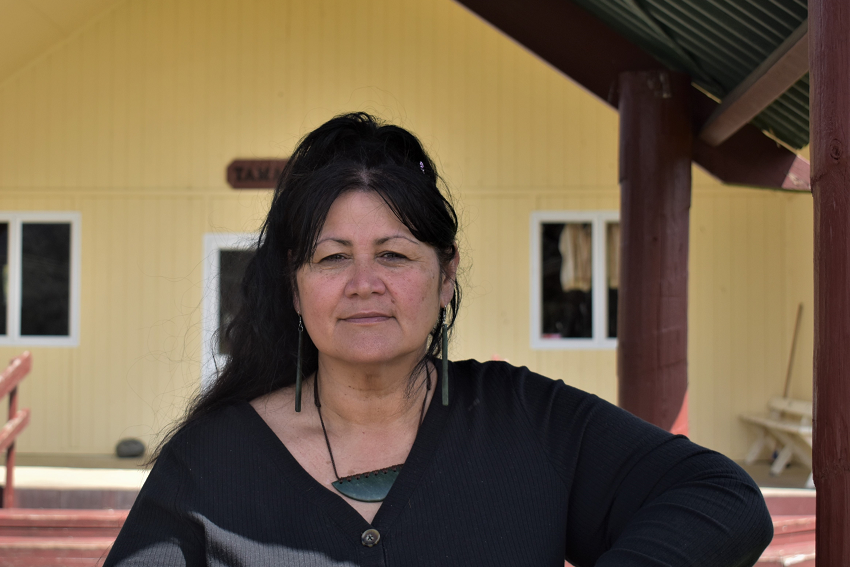 Image 2 of 2
Following the foundations set in Action Plan 1, this wānanga moves from vision to action. It focuses on embedding prevention, whānau-centred responses, and community-led solutions across systems.
Key Learning Objectives:
Strengthening accountability and workforce capability.
Prioritising Māori-led approaches and early intervention.
Creating measurable change to support safer whānau, stronger communities, and systems that foster lasting transformation.
Associate Professor Alayne Mikahere-Hall Alayne is a senior Māori academic, researcher, and leader specialising in Hauora Māori, Violence and Trauma studies, and Indigenous research. She is the Co-Director of the Taupua Waiora Research Centre and an Associate Professor at Auckland University of Technology (AUT). Her work, affiliated with Ngāti Whātua, Te Rarawa, and Tainui-Maniapoto, is dedicated to reducing family violence and building culturally responsive workforce capability guided by Te Tiriti o Waitangi.
Following the foundations set in Action Plan 1, this wānanga moves from vision to action. It focuses on embedding prevention, whānau-centred responses, and community-led solutions across systems.
Key Learning Objectives:
Strengthening accountability and workforce capability.
Prioritising Māori-led approaches and early intervention.
Creating measurable change to support safer whānau, stronger communities, and systems that foster lasting transformation.
Associate Professor Alayne Mikahere-Hall Alayne is a senior Māori academic, researcher, and leader specialising in Hauora Māori, Violence and Trauma studies, and Indigenous research. She is the Co-Director of the Taupua Waiora Research Centre and an Associate Professor at Auckland University of Technology (AUT). Her work, affiliated with Ngāti Whātua, Te Rarawa, and Tainui-Maniapoto, is dedicated to reducing family violence and building culturally responsive workforce capability guided by Te Tiriti o Waitangi.